
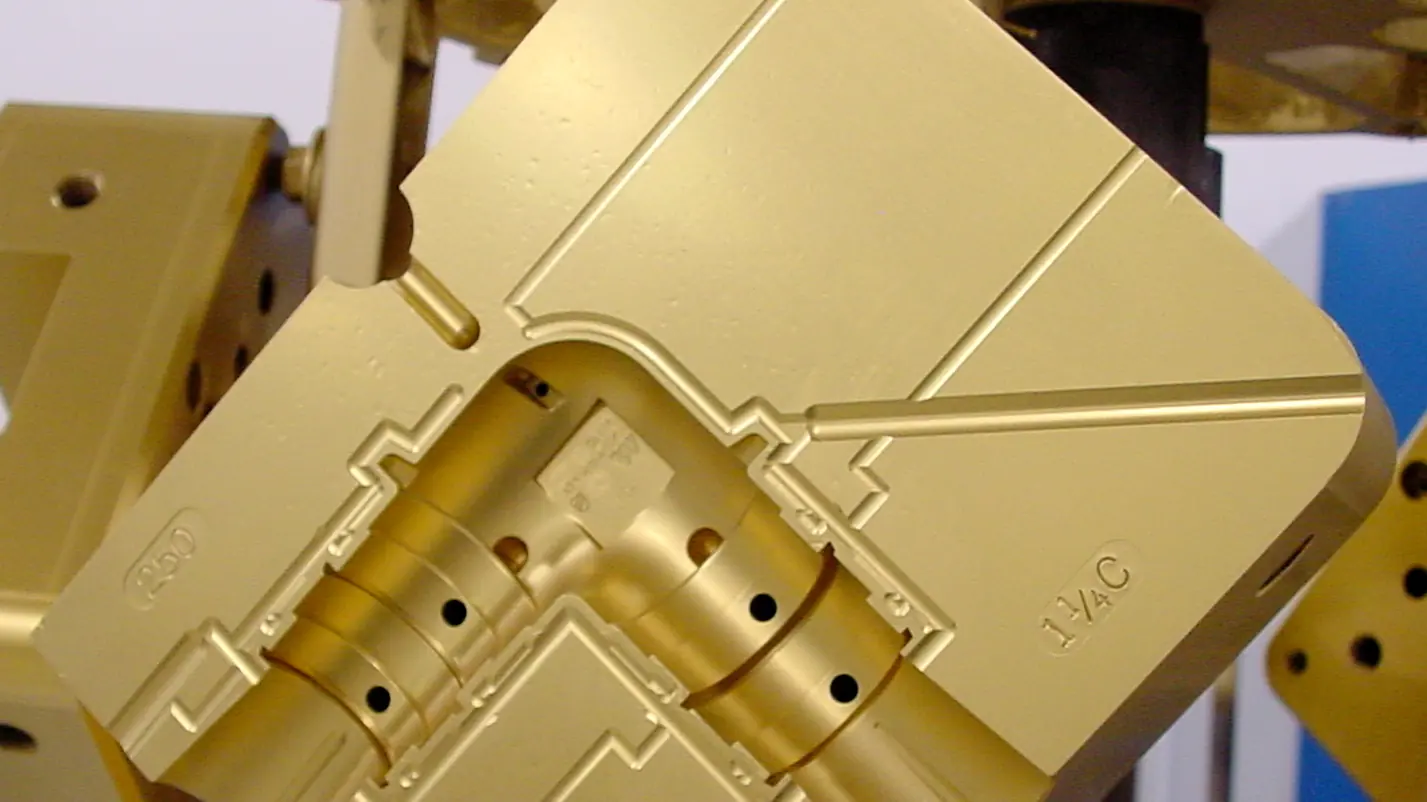
Consistency is what separates a great PVD coater from an inconsistent one.
Ever notice that a coating from one vendor always seems to work — while another vendor's coating sometimes works and sometimes doesn't? That's what a lack of process control looks like. Here's how we keep every job consistent.
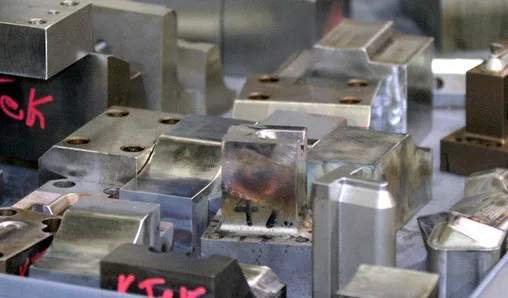
Tools in need of prepping
The prep is half the coating.
For customers who don't know what to look for in a coating vendor, we can help. Our goal here is straightforward: to show you why we believe our coating service is one of the best values available — not by lowering price, but by keeping the process under control from the moment your parts land on our dock.
There are many factors that affect how well a coated tool will perform. Here are the ones we control on every job.
What we control — and what most vendors don't.
Experienced personnel
Nearly all our employees have been with the company ten years or more. Low turnover means your tools are professionally handled and consistently coated every time.
Cathodic-arc process
A robust process with high metal ionization, giving strong coating adhesion and a wide operating window. More forgiving than sputtering or ion plating — and easier to keep consistent.
Coating matched to the job
Some coatings work better for a particular application. We discuss the application with each customer to specify the best coating — the cheapest coating isn't always the best value.
Thickness optimized
Thicker coatings last longer — up to a point. We optimize each process to apply maximum thickness without risking the coating chipping off (PVD films are hard but brittle).
Cleaning tailored to contaminants
One size doesn't fit all — some parts need glass-bead blasting, others require diamond polishing. We use the minimum abrasive cleaning needed while limiting edge radiusing or surface roughening.
Better finish = better coating
We polish a lot of tools to improve finish, guarantee good coating adhesion, and optimize coating performance. Often at no extra cost.
Parts positioned in the best areas of the chamber
PVD is a modified line-of-sight process. We design our own equipment and fixturing to keep every part in the optimal region of the vacuum chamber, in line with the vapor source.
Chambers not overloaded
Cramming too many parts or oversized fixturing into the chamber causes a large gas load (outgassing) at cycle start and hurts coating quality. We deliberately keep each cycle within spec.
Clean chambers, controlled temperature
Coating buildup on chamber walls hurts pumpdown and quality — we keep chambers clean. Most PVD processes run at 800°F+, and we control temperature carefully to avoid drawing back the substrate.
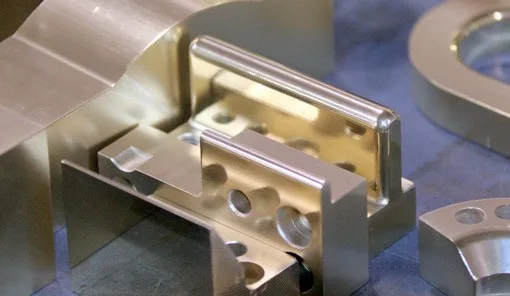
Same tools after prep — ready to coat.
The value is in the tool life, not the invoice.
Our per-part coating rates have not moved in 30 years, and we hold a $25 minimum on cutting tools so small jobs are welcome. But the real value shows up on the shop floor — longer tool life, fewer sharpenings, less downtime, cleaner parts. If our coating isn't the right answer, we'll tell you and point you toward whatever option gives you the best result.
Talk to Our TeamSend us your part — and let the results speak.
We respond within one business day and recommend a coating (or a different process) that best fits the job.